The 4 Sections of Zion National Park: What to Know Before You Go
Book Direct with Confidence
Flexible cancellation • Optional trip protection • No third-party fees • Local expert guides
The 4 Sections of Zion National Park: What to Know Before You Go
Zion National Park is often talked about as one destination, but it’s actually made up of four very different areas, each offering its own landscapes, hiking experiences, and levels of solitude.
If you’re planning a visit, understanding the differences between Zion Canyon, East Zion, Kolob Canyons, and Kolob Terrace can help you choose where to spend your time and avoid common planning mistakes.
Here’s a breakdown of each section, including how to access it, what makes it unique, and popular hikes to explore.
1. Zion Canyon (Main Canyon)
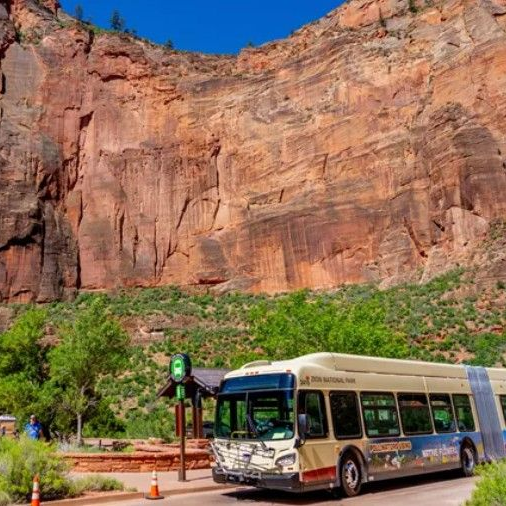
Location & Access: Zion Canyon is the most famous and most visited section of the park. It’s accessed through the town of Springdale, Utah, via the South Entrance or through the east side, driving the scenic Zion-Mount Carmel Highway (Highway 9). From March through late fall, access is primarily via the Zion Canyon Shuttle. Check current shuttle schedules here.
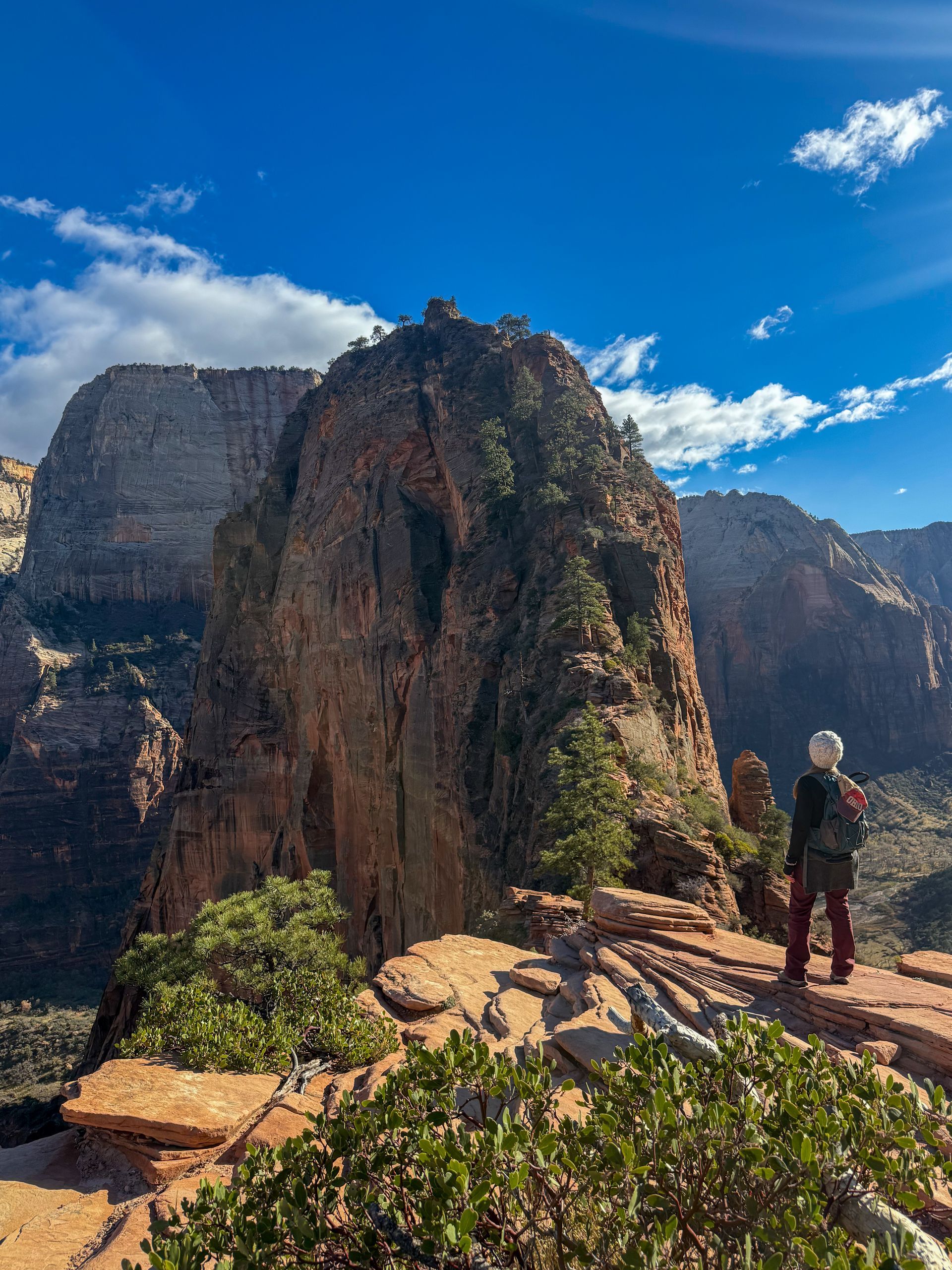
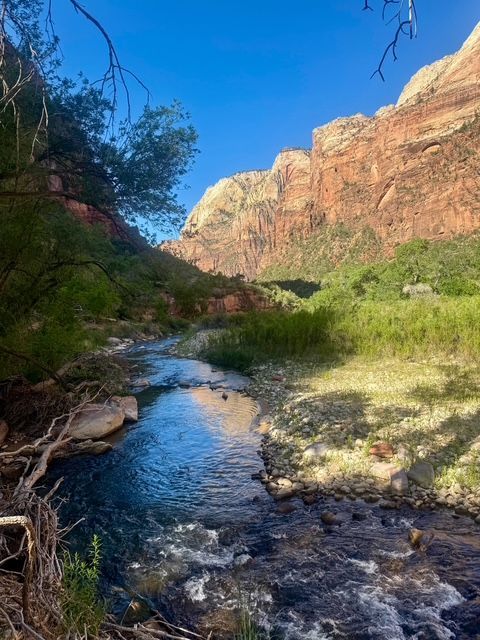
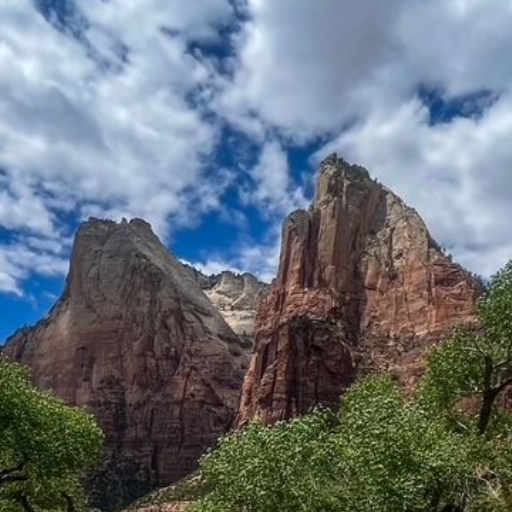
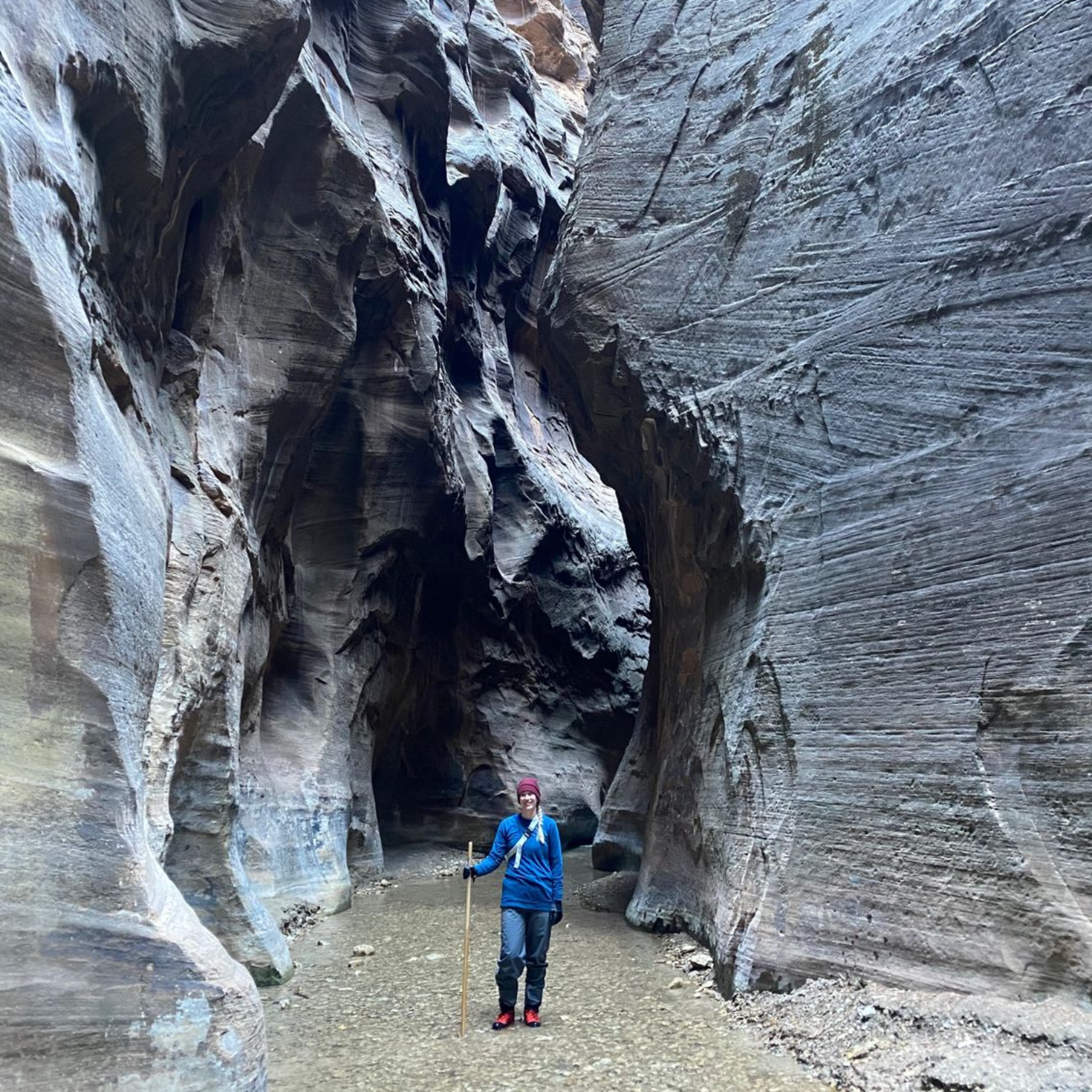
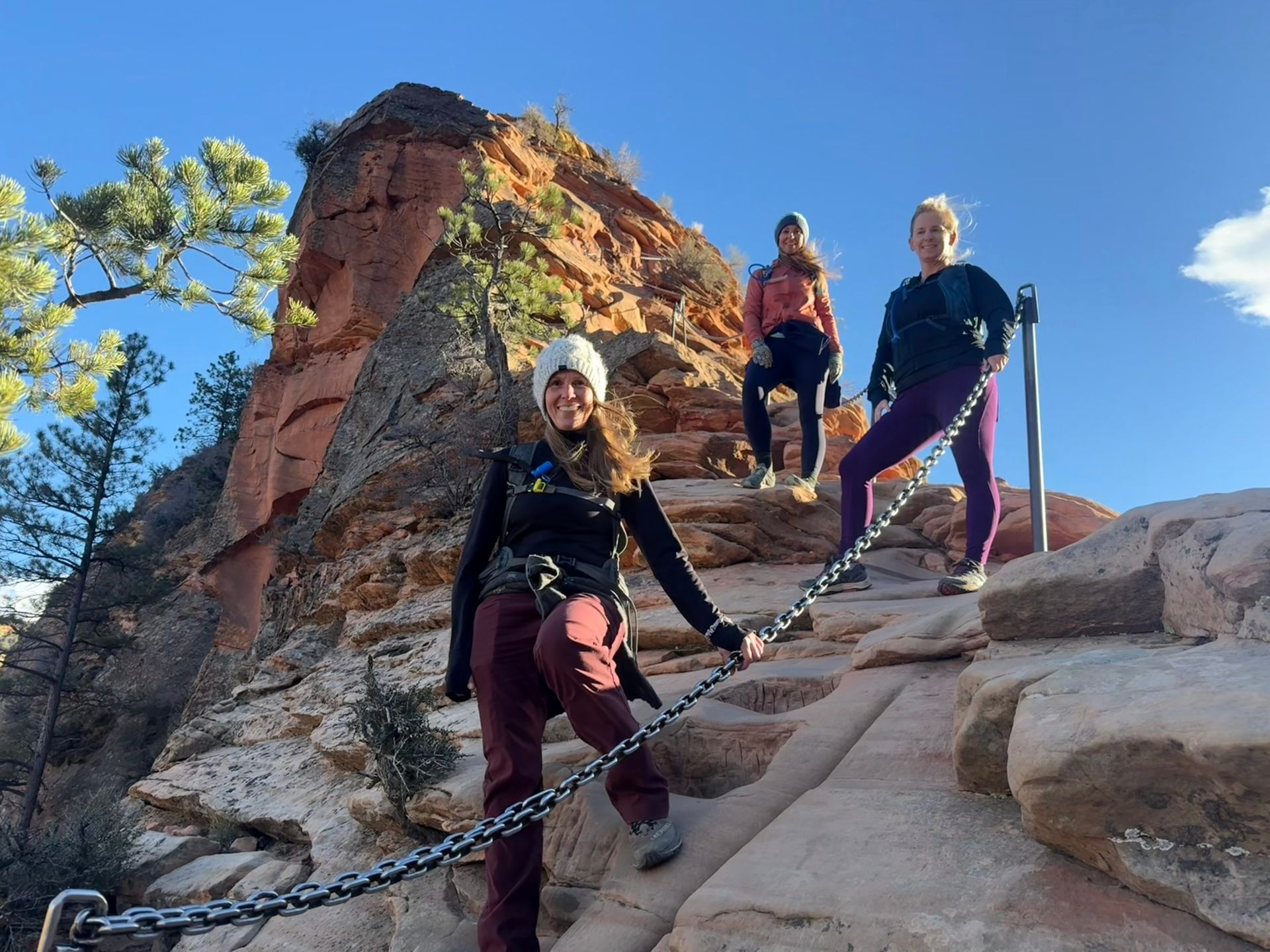
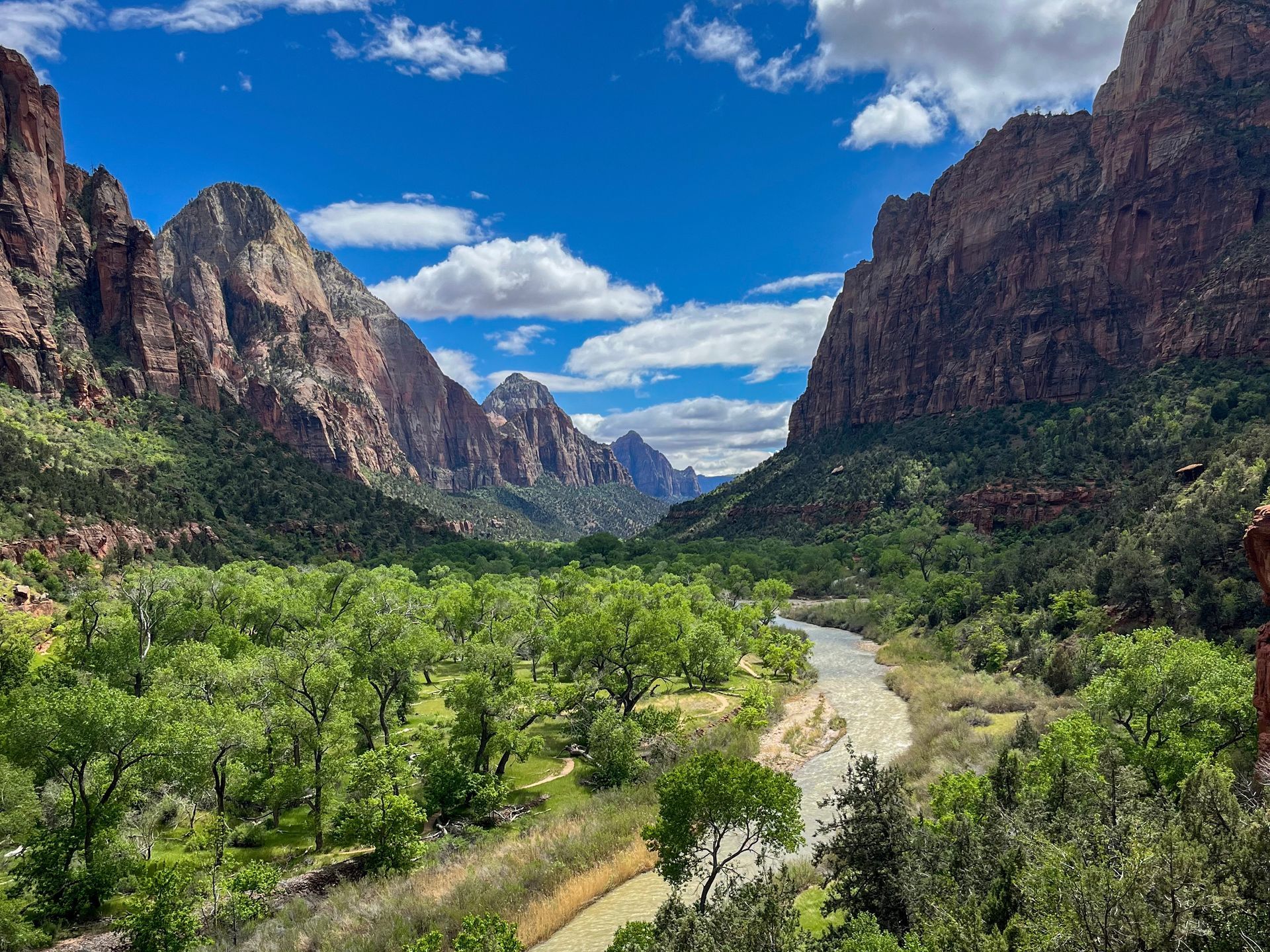
What Makes It Unique: This is the heart of Zion and what most people imagine: towering sandstone walls, lush hanging gardens, and the Virgin River winding through the canyon floor. It’s home to Zion’s most iconic views and trails, but also the largest crowds. While it makes up less than 15% of the park, it is estimated that this is where 70-80% of visitors go.
Popular Hikes:
Good to Know: This area is best explored early in the day and requires some planning around shuttle timing, permits, and seasonal conditions. Explore Zion Tours specializes in hiking tours in the main canyon, ensuring you can navigate crowds, while experiencing a stress-free adventure. Check out our Zion National Park tours here.
2. East Zion
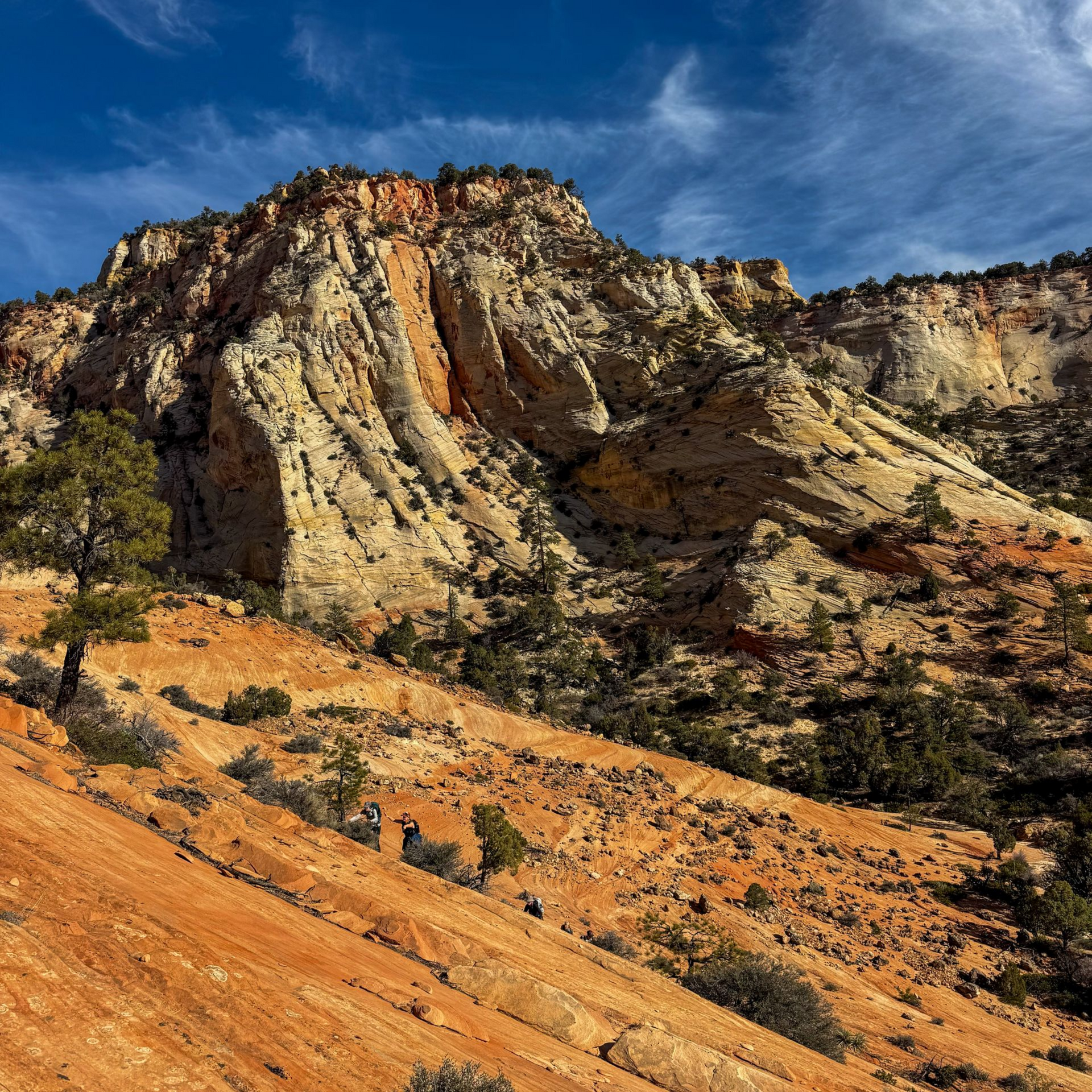
Location & Access: East Zion begins just past the Zion-Mount Carmel Tunnel and stretches along Highway 9 toward Mount Carmel Junction. No shuttle is required, and access is straightforward by car.
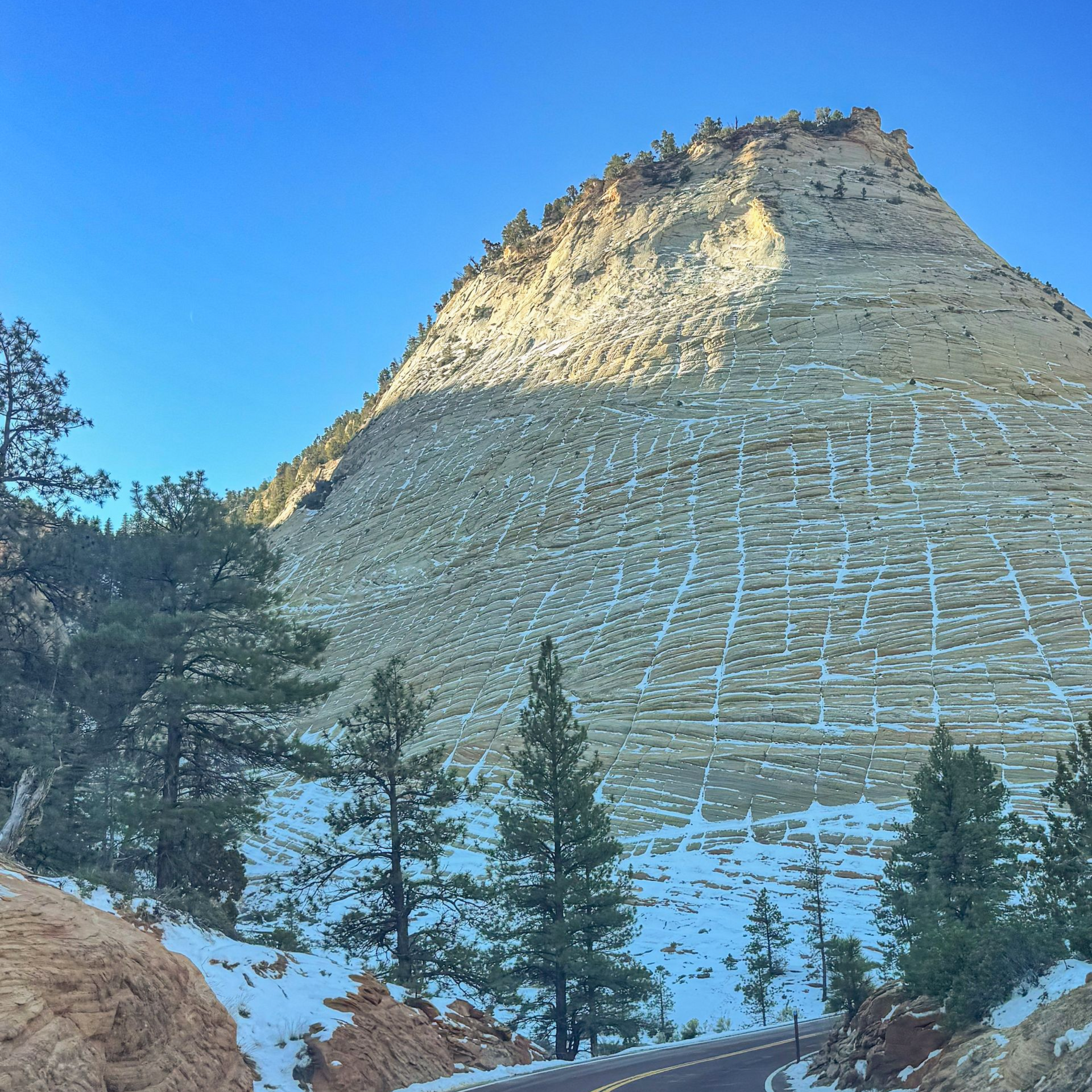
What Makes It Unique: East Zion feels quieter and more open, with colorful slickrock formations, rolling sandstone domes, and expansive views. It’s a great option for visitors looking to escape the crowds while still experiencing classic Zion scenery. You'll also have your best chance of seeing Big Horn Sheep in East Zion.
Popular Hikes:
- Canyon Overlook Trail
- Many Pools
- Checkerboard Mesa (viewpoint)
Good to Know: Trailheads are smaller, and parking is limited. Conditions can vary widely depending on the weather, making timing and local knowledge especially helpful.
3. Kolob Canyons
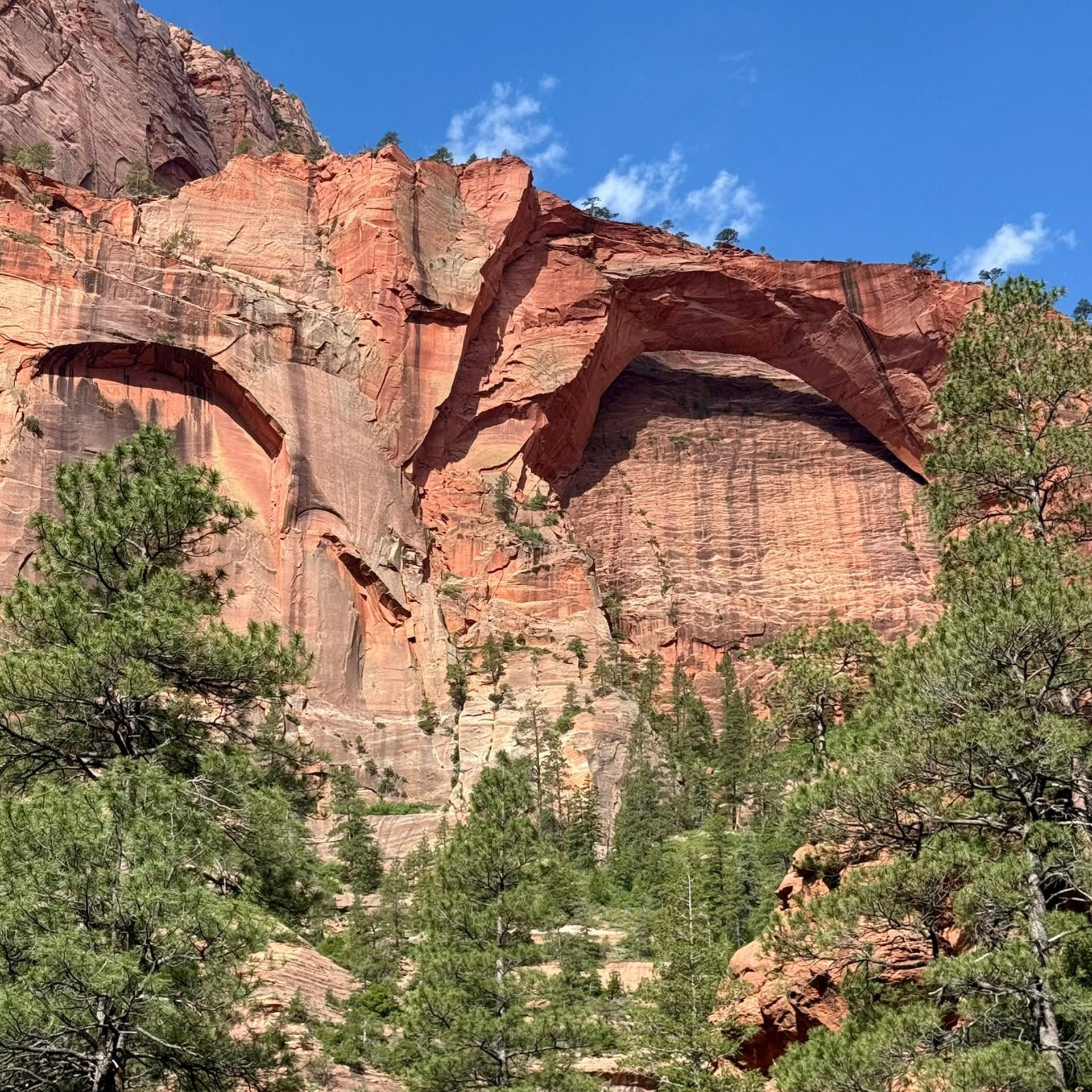
Location & Access: Kolob Canyons is located on the northwest side of Zion National Park, near the town of New Harmony, Utah. It’s accessed directly from Interstate 15, about 45 minutes from Springdale.
What Makes It Unique: This section features dramatic red rock canyons, tall finger canyons, and far fewer visitors. It’s known for quiet trails, big views, and a more peaceful experience compared to Zion Canyon. On average, Kolob Canyons is about 5–10°F cooler than Zion Canyon (the Main Canyon).
Popular Hikes:
- Middle Fork of Taylor Creek
- Timber Creek Overlook
Good to Know: Kolob Canyons is ideal for shorter hikes and half-day visits. Weather can differ significantly from Zion Canyon, especially in winter and shoulder seasons.
4. Kolob Terrace
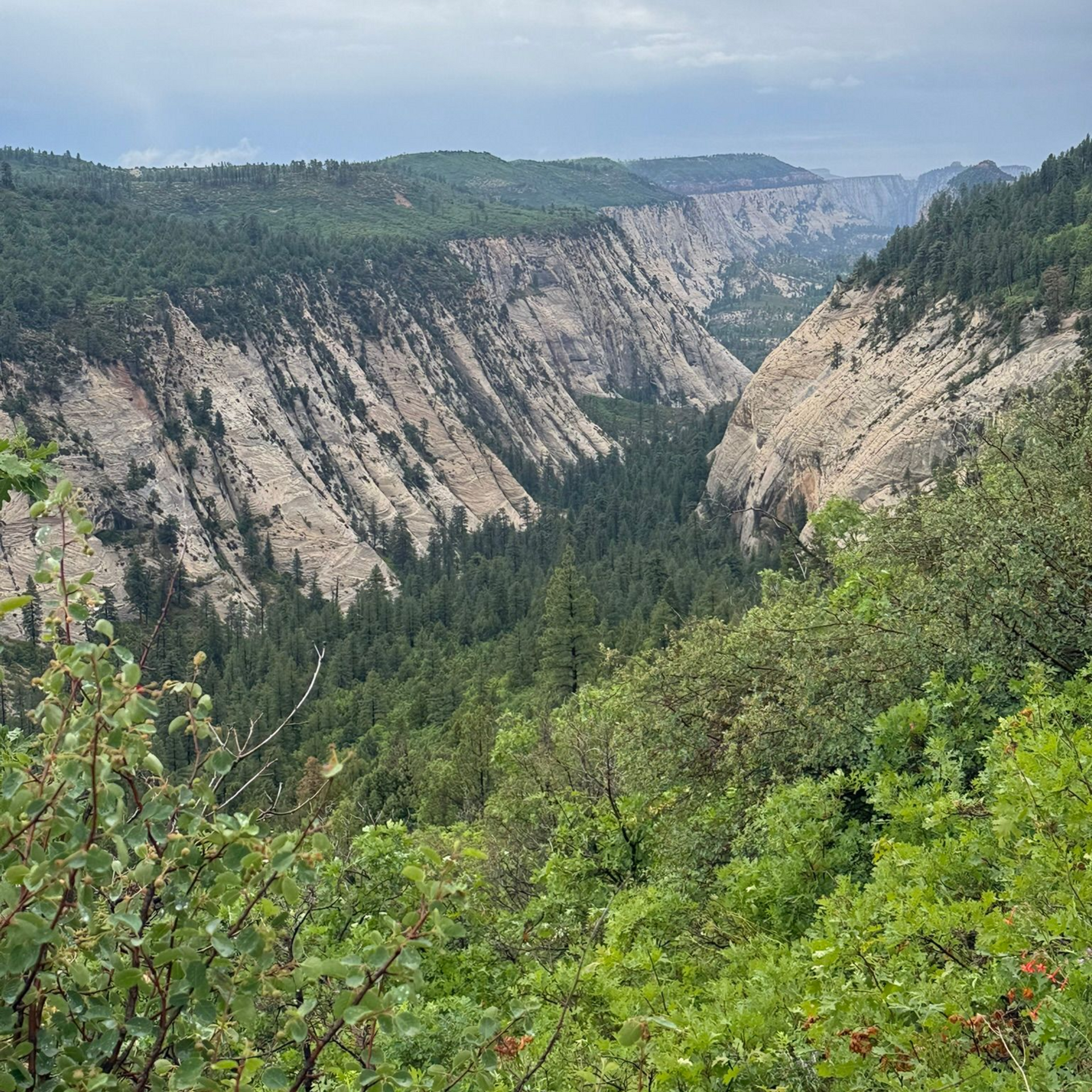
Location & Access: Kolob Terrace is accessed via Kolob Terrace Road, starting in the town of Virgin, Utah. This scenic drive climbs in elevation and provides access to some of Zion’s less-visited high-country areas.
What Makes It Unique: Higher elevation means cooler temperatures, fewer crowds, and a more rugged, remote feel. This area offers a mix of forested trails, lava rock landscapes, and expansive viewpoints.
Popular Hikes:
- Subway (top-down, permit required)
- Northgate Peaks
- Hop Valley (long-distance routes)
- West Rim (some begin in Kolob Terrace and hike 16 miles to The Grotto in the main canyon)
Good to Know: Road conditions/closures, weather, and permits play a big role here. Snow and ice can linger into spring, and many hikes require strong route-finding skills.
Related posts: 13 Things to Do in Zion National Park, Best Time of Year to Visit Zion National Park, One Day in Zion
Driving from the Grand Canyon to Zion National Park? Don’t Miss These Incredible Stops Along the Way